
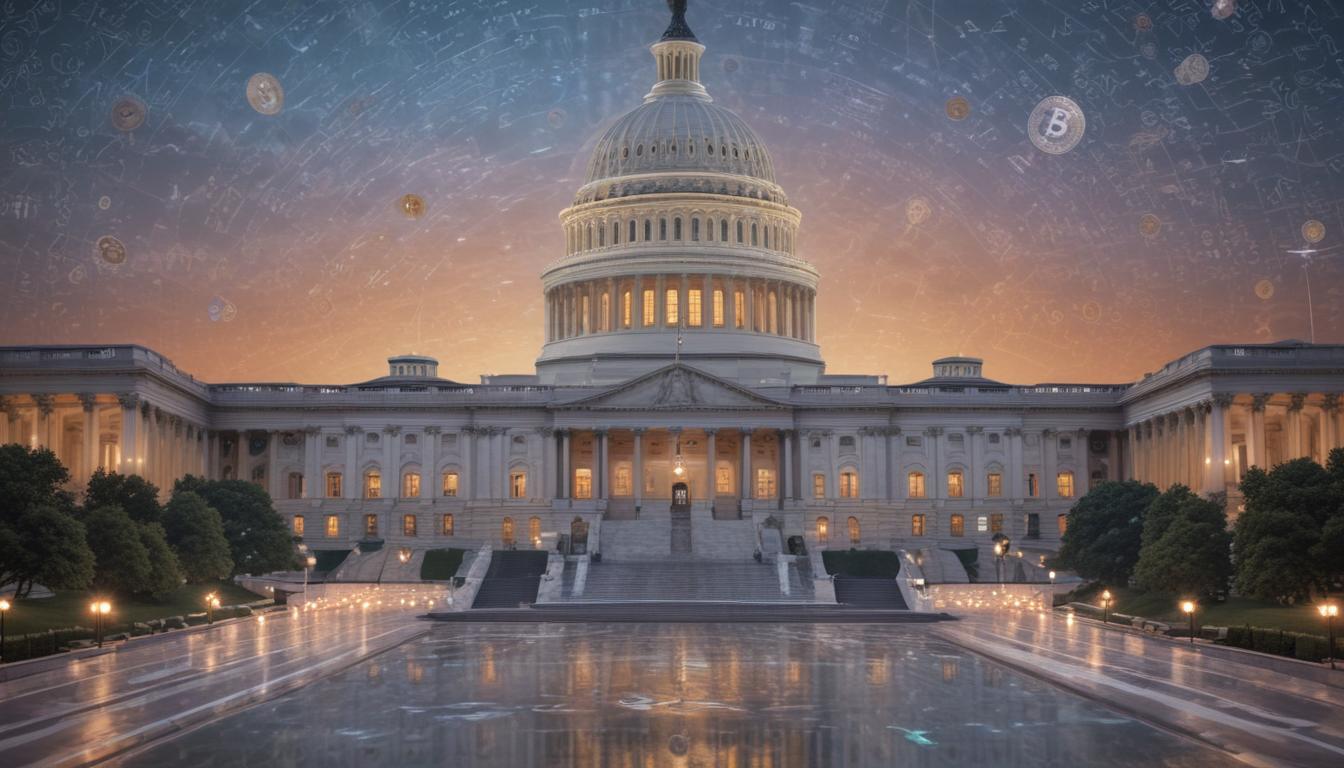

The Shifting Landscape of Cryptocurrency Regulation in the United States: 2025 and Beyond
Introduction: A Transformative Era for Cryptocurrency in the U.S.
Cryptocurrency has entered a transformative era in the U.S., with 2025 marking significant strides in regulation. From legislative breakthroughs to federal and state-level activities, the landscape reflects efforts to create clarity for stakeholders. Let’s dive into how this affects cryptocurrency companies, investors, and enthusiasts in this rapidly changing ecosystem.
A New Era of Federal Engagement and Regulatory Frameworks

Starting in 2024 and extending through 2025, the United States took bold steps towards establishing coherent cryptocurrency regulations. One landmark initiative was the Financial Innovation and Technology for the 21st Century Act (FIT21), which stands as a guiding framework for the industry. This proposal distinctly outlines when digital assets qualify as securities or commodities, streamlining the roles for the SEC and CFTC in oversight.
The FIT21 Act goes further by introducing decentralization standards for crypto exchanges, promoting transparency through stricter compliance and reporting requirements. Additionally, it prioritizes regulations around stablecoins, ensuring system stability. One noteworthy aspect is its protection of individual rights, including the right to self-custody digital assets. This empowers crypto users to manage their personal investments securely while fostering trust and confidence.
Federal Agencies and Their Evolving Roles

Historically, federal agencies such as the SEC and CFTC struggled with jurisdictional clarity around cryptocurrencies, often leading to conflicts. However, by 2025, the FIT21 framework has paved the way for a more structured approach. For instance, SEC enforcement has shifted to target major violations rather than smaller, memecoin-related issues.
The CFTC, meanwhile, has solidified its focus on crypto derivatives, creating a complementary niche compared to the SEC. This newfound collaboration between these agencies enhances accountability while supporting innovation. Together, their alignments bolster the industry’s future, ensuring that crypto governance is both rigorous and adaptable.
The Trump Administration’s Crypto Executive Order and Task Force

The cryptocurrency industry experienced a major shift in January 2025 when President Trump signed a critical executive order. This directive highlighted a bipartisan vision for supportive yet firm cryptocurrency governance. A central aspect of this order was the creation of an inter-agency task force tasked with developing robust regulations by mid-year.
The inclusion of crypto-savvy experts in key roles, such as within the SEC, underscored a commitment to balancing innovation and enforcement. For example, early rulings, such as penalties issued to OKX for unlicensed transmissions, show how the administration enforces compliance while promoting dialogue and collaboration.
State-Level Activity and the Growing Impact on the Industry

Federal strides aside, state governments have emerged as vital players in cryptocurrency regulation. By 2025, over 40 U.S. states have either implemented or proposed legislation targeting digital assets. However, this state-level activity often comes with challenges, including patchwork conditions making compliance more complex for stakeholders.
On the other hand, this decentralized approach fosters innovation. States like Wyoming, for instance, lead in crypto-friendly laws that draw blockchain startups. Other states, however, focus on strengthening consumer protections. Prospective investors and entrepreneurs should assess this dynamic regulatory landscape and adapt to regional nuances to thrive.
What This Means for U.S. Crypto Stakeholders

For stakeholders, the regulatory progress of 2025 brings both opportunities and challenges. Improved clarity about whether digital assets qualify as securities or commodities reduces longstanding ambiguities. Federal policies also strike a balance between promoting innovation and ensuring rigorous compliance.
What stands out is the emphasis on individual consumer rights, particularly the right to self-custody digital assets. These developments demand that stakeholders adopt dual strategies: mastering compliance at the federal level while navigating diverse state frameworks. As the regulatory system matures, staying informed and agile becomes critical for seizing emerging opportunities.
The Path Ahead for Cryptocurrency in the U.S.

As the U.S. ventures through 2025, the future of cryptocurrency looks cautiously optimistic. Efforts to reduce enforcement complexity and enhance asset classification clarity represent a giant leap toward streamlined regulatory experiences. Major legislative efforts like the FIT21 Act promise to harmonize governance, inspire innovation, and offer security for everyday investors.
Meanwhile, state governments and federal authorities continue to collaborate, fostering an accessible yet structured future for blockchain technology. The inclusion of crypto-friendly advocates in decision-making signifies the government’s willingness to build partnerships, bridging innovation and enforcement effectively.
Call to Action: Stay involved and informed as these developments shape the U.S. cryptocurrency landscape. If you’re a stakeholder, align your strategies with these advancements to unlock the full potential of the industry—because the future of crypto is what we make it.
“`