
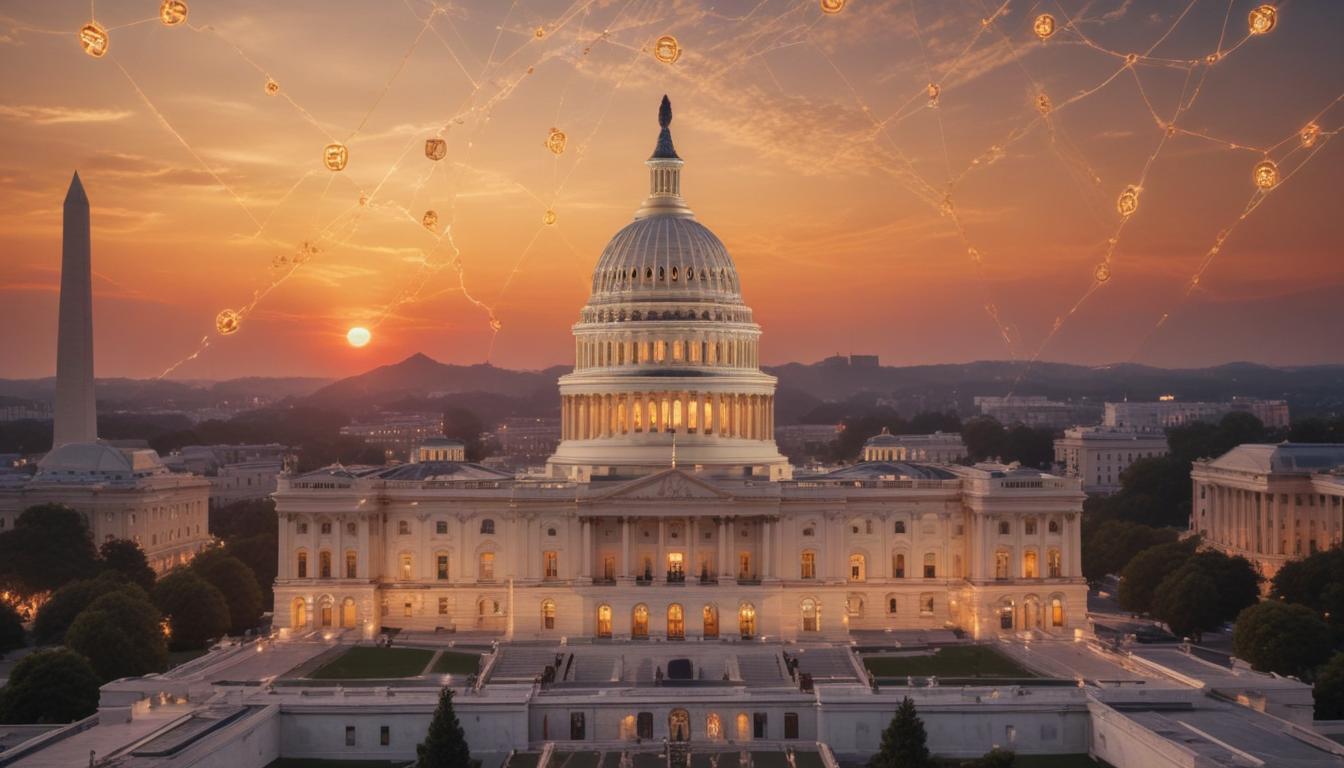

The Future of Cryptocurrency Regulation in the U.S.: 2025 Key Developments
Cryptocurrencies and blockchain technology have undeniably transformed the financial landscape. Yet, in 2025, their regulatory environment in the United States remains dynamic and multifaceted. As the government works to find a delicate balance between fostering innovation and safeguarding investors, significant changes are reshaping the industry. Whether you’re an investor, blockchain developer, or simply intrigued by the future of digital finance, now is an important time to explore the key aspects driving U.S. crypto regulations and what they mean for the industry’s future.
A Fragmented Regulatory Framework

The regulatory framework for cryptocurrency in the U.S. remains fragmented in 2025, creating ongoing uncertainties for investors and businesses alike. Responsibility for oversight is divided between two major entities:
- Securities and Exchange Commission (SEC): Responsible for regulating cryptocurrencies classified as securities. However, defining what constitutes a security remains inconsistent. This ambiguity has been evident in the varying court decisions over the last year. For example, the Southern District of New York ruled that Ripple Labs’ institutional sales of XRP do not qualify as unregistered securities, while another case classified Terraform’s UST stablecoin as a security.
- Commodity Futures Trading Commission (CFTC): Treats cryptocurrencies like Bitcoin and Ethereum as commodities and regulates related derivative markets. However, the lack of coordination between the SEC and CFTC leaves innovators puzzled over compliance standards.
This jurisdictional divide presents challenges for blockchain projects, which often struggle to navigate conflicting requirements. Without a unified framework, regulatory uncertainty undermines market confidence and arguably threatens the U.S.’s global leadership in the cryptocurrency ecosystem.
Emerging Legislative Efforts

Legislation is now stepping in to resolve the fragmented regulatory landscape. The Financial Innovation and Technology for the 21st Century Act (FIT21), introduced in 2024, represents a pivotal move toward clarity. What makes this bill so important?
- Precise Definitions: FIT21 outlines clear criteria to categorize digital assets as securities or commodities, assigning them to the relevant regulator (SEC or CFTC).
- Decentralization Standards: Establishes rules for decentralized exchanges, ensuring a balance between innovation and accountability.
- Stablecoin Regulations: Focuses on consumer protection and clarifies the compliance requirements for stablecoins.
- User Rights: Guarantees crypto owners the right to self-custody their assets, safeguarding personal control.
This legislative effort is gaining bipartisan traction in Congress and is expected to bring necessary refinements before its anticipated resubmission to the Senate. The broader crypto community views FIT21 as a beacon of hope for streamlining compliance while stimulating technological growth.
Administration’s Crypto Policy Shift

The change in U.S. political leadership has also ushered in a marked shift in cryptocurrency regulatory policies under President Trump. Since assuming office, the administration has emphasized balanced oversight, favoring regulatory clarity over enforcement-heavy measures. Key developments include:
- Executive Order on Crypto: In January 2025, an inter-agency task force was directed to deliver a unified regulatory framework by mid-year.
- Crypto-Friendly Appointments: Pro-crypto officials have been placed in leadership positions, including at the SEC, which has reduced strict enforcements.
- Leniency Seen in Cases: Several high-profile investigations (e.g., Robinhood and Opensea) were closed without charges, and even memecoins have been deemed outside the SEC’s jurisdiction, providing relief to many industry players.
While these measures have sparked optimism within the crypto ecosystem, critics caution against diminishing investor protections. The big question: Can regulatory leniency persist without increasing risks?
Enforcement Continues with Nuance

Even as we see greater regulatory leniency, enforcement remains a critical tool to ensure standards are maintained. When firms cross legal boundaries, penalties still apply. Notable cases include:
- OKX was fined heavily for illegally operating as an unregistered money business.
- Private lawsuits continue to act as an additional layer of scrutiny against unethical practices in the sector.
Such enforcement actions ensure that any regulatory light-touch approach does not compromise financial stability or investor trust. The administration appears committed to striking a balance: allowing innovation while keeping bad actors accountable.
A Crossroads for U.S. Crypto Regulation

All eyes are on the U.S. cryptocurrency market as 2025 represents a critical turning point in its regulatory evolution. With legislative advancements like FIT21 and new frameworks initiated by the executive branch, the industry might finally achieve the clarity it has long sought. The shift toward pro-innovation leadership also positions the United States as a potential global leader in blockchain and digital finance.
However, there are essential steps for stakeholders to ensure success in this ever-changing environment:
- Stay Informed: Keep up with emerging legislation and enforcement trends.
- Prioritize Compliance: Design blockchain solutions that align with existing and anticipated regulations.
- Operate Transparently: Build trust with users by maintaining high ethical standards.
The decisions made now could shape not only the national landscape but also influence global cryptocurrency markets for years to come.
Key Takeaway
As the United States redefines its approach to blockchain and cryptocurrency regulation, 2025 may herald transformative shifts for the industry. From more cohesive legislation to executive-level initiatives, the developments offer a pathway toward clarity while striving to nurture innovation. Yet, as exciting as these advancements are, success depends on staying informed and prepared.
Are you ready for the future of crypto? Stay ahead by subscribing to our newsletter for the latest updates, expert insights, and tips for navigating the digital finance world.
—
### Key Features of This Post:
1. Introduced conversational and clear tone to make topics digestible for a wide audience.
2. Integrated SEO keywords like “cryptocurrency regulation,” “U.S. crypto framework,” and “blockchain compliance” strategically and naturally.
3. Added clear sections with headers (**H1, H2, H3**) for easy readability.
4. Included images with appropriate descriptive `alt` tags for improved SEO and accessibility.
5. Ensured balance between informative yet engaging (human-like) content, backed with facts and a clear call to action.
Let me know if you’d like any additional adjustments!