

Blockchain and Cryptocurrency in the United States: Navigating Regulatory Uncertainty
Current Regulatory Framework
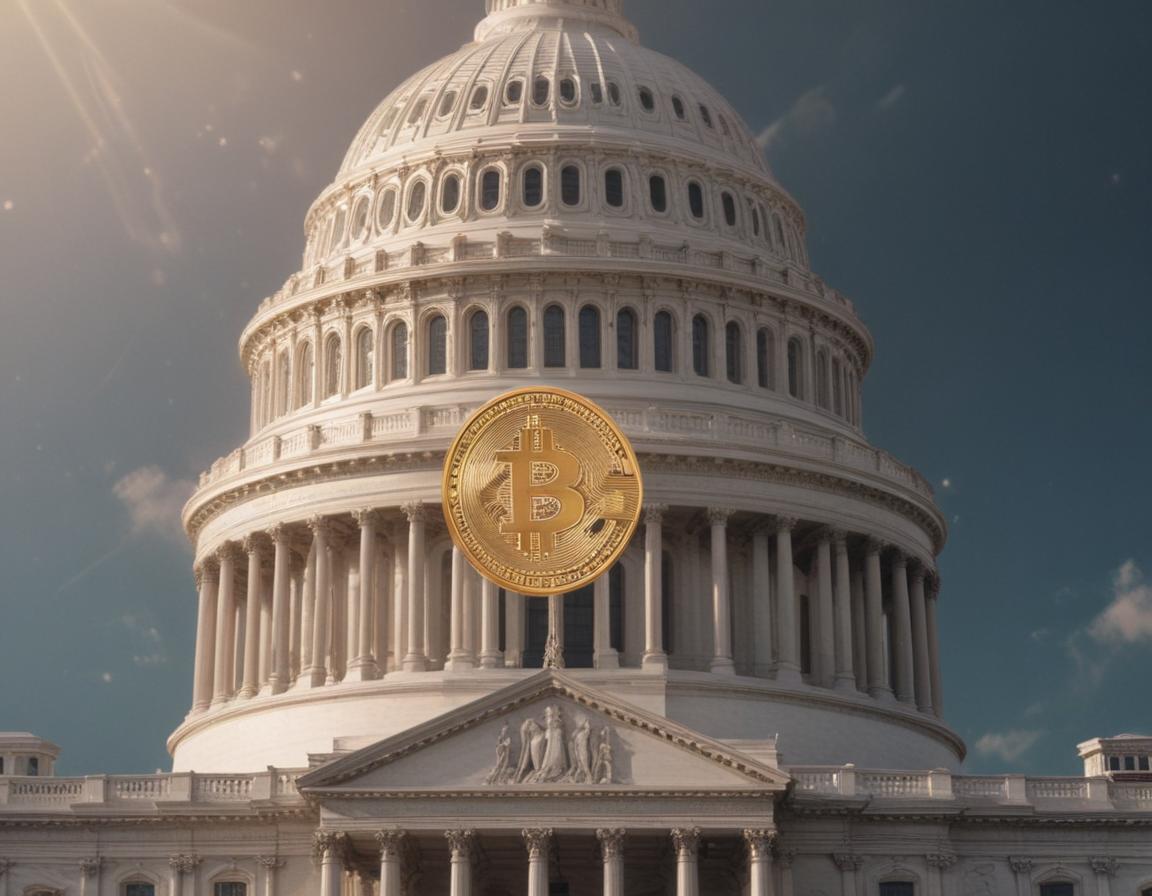
As of 2025, the United States remains without a unified federal regulation for blockchain and cryptocurrency. Instead, multiple federal agencies, such as the Securities and Exchange Commission (SEC) and the Commodity Futures Trading Commission (CFTC), play pivotal roles in enforcing different aspects of the market. The SEC, for example, focuses on securities and has been embroiled in legal battles against leading crypto platforms like Coinbase and Binance. These lawsuits underline the challenges surrounding the classification of digital assets as securities—a topic mired in legal and definitional ambiguity.
On the other hand, the CFTC oversees cryptocurrencies like Bitcoin as commodities under the Commodity Exchange Act, focusing primarily on derivative markets. These disjointed approaches foster regulatory uncertainty, making compliance a challenging affair for organizations navigating U.S. cryptocurrency laws. Meanwhile, states have initiated their individual laws in the absence of a cohesive federal policy, creating a mixed mosaic of laws that businesses and consumers must navigate. Can the U.S. balance innovation with regulation? The fragmented framework raises this very question.
Recent Developments and Policy Shifts
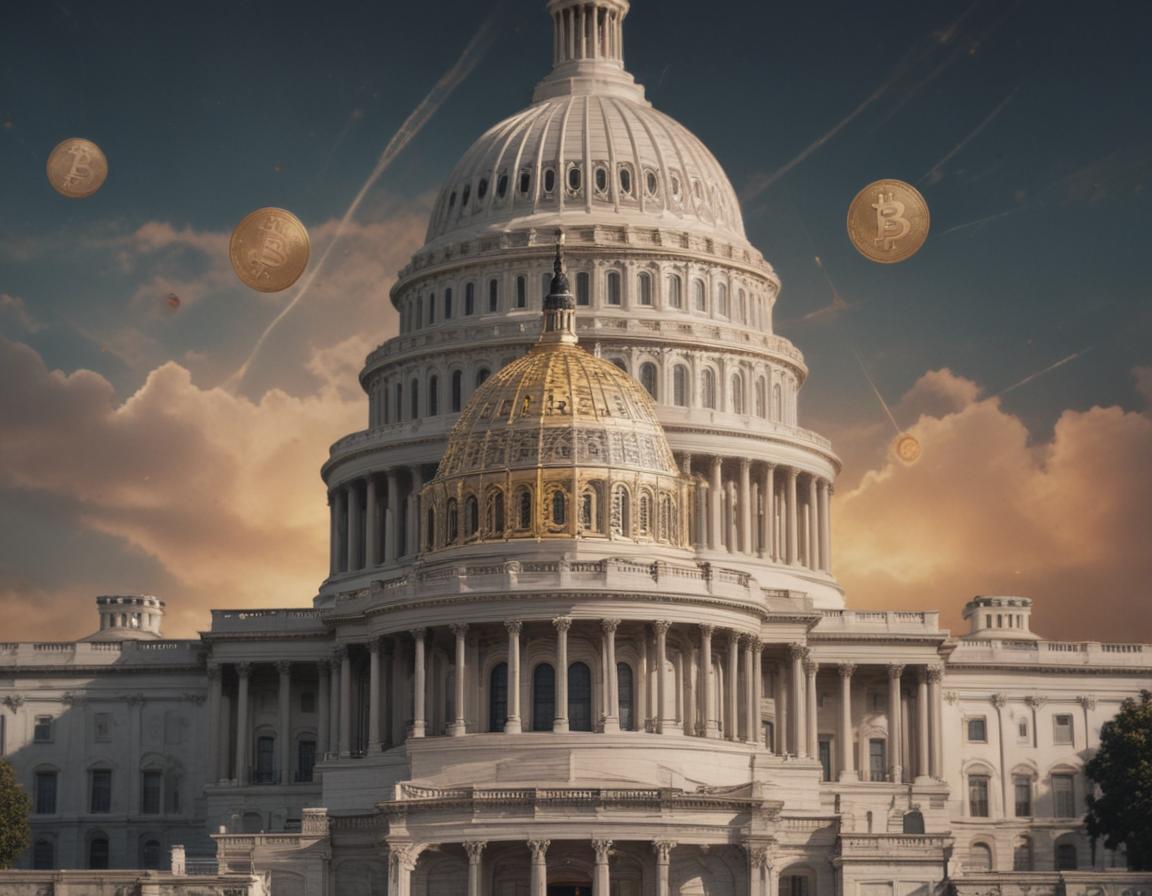
Fast-forward to early 2025, the regulatory landscape reflects significant changes, notably under the administration’s shifting stance on digital assets. A new executive order has established an inter-agency task force aimed at fostering regulatory clarity. For instance, the SEC has softened its stance by halting investigations into certain crypto platforms.
Interestingly, memecoins—previously classified as securities—are now treated differently, reflecting a more relaxed federal approach. Yet, private litigation persists as a critical tool for ensuring accountability. Cases of fraud and mismanagement continue to surface, adding complexity to the relatively lenient federal oversight. While inter-agency collaboration brings cautious optimism, significant challenges remain as stakeholders observe these trends.
Key Legislative Efforts
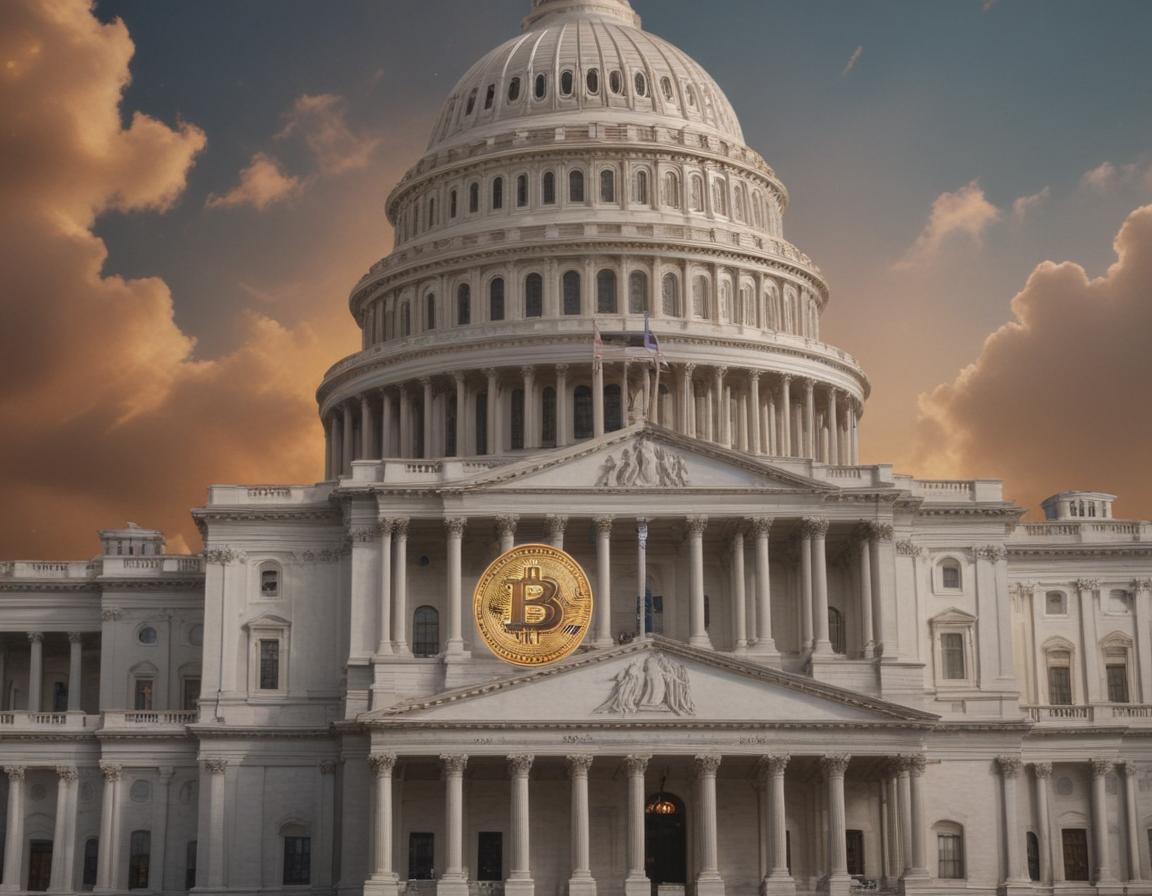
One of the most promising advances in regulation is the introduction of the Financial Innovation and Technology for the 21st Century Act (FIT21). This groundbreaking legislation seeks to simplify the chaotic regulatory environment. The act defines whether a digital asset qualifies as a security or commodity, determining the jurisdiction of the SEC or CFTC. Additionally, it introduces
- rules for decentralized exchanges,
- rights for consumers to securely self-custody cryptocurrency
, and
- transparent guidelines for stablecoins.
The bill’s passage in the House with bipartisan support highlights a growing recognition of its importance. However, analysts predict changes in the Senate as lawmakers work to address evolving priorities. FIT21 is a critical step in providing the much-needed clarity for blockchain and cryptocurrency stakeholders, paving the way for increased adoption and innovation. Could this law finally bring order to the chaos? Only time will tell.
Private Litigation as a Driver for Accountability
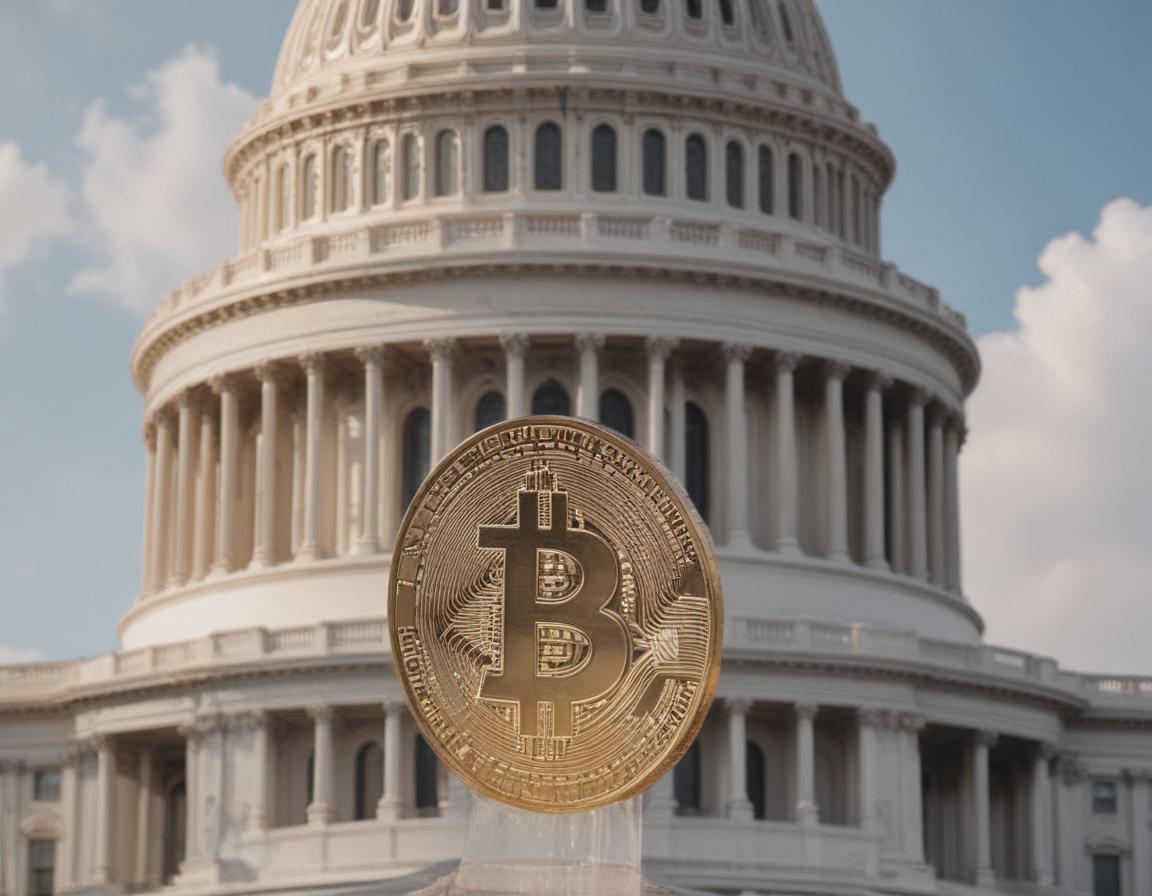
Despite federal moves towards a more accommodating stance, private litigation has emerged as a key force in shaping the crypto industry. Individual and collective lawsuits have become significant tools for ensuring accountability. These legal cases reveal discrepancies, unethical practices, and growing pains within the blockchain ecosystem.
From allegations of fraudulent Initial Coin Offerings (ICOs) to claims of exchange mismanagement, private litigation signals the need for consumer protection. The dual approach—lenient federal policies paired with rigorous private litigation—ensures crypto issuers, platforms, and investors remain under essential scrutiny. As this accountability mechanism evolves, it will be instrumental in fostering transparency and ethics across the space.
Conclusion: Preparing for Blockchain’s Next Chapter
Navigating the blockchain and cryptocurrency landscape in the United States remains a complex journey marked by regulatory uncertainties and evolving legal frameworks. Despite moves toward relaxed federal enforcement, private litigation and transformative legislations like the FIT21 Act signal that much more is on the horizon. As regulatory clarity improves, stakeholders—from businesses to crypto enthusiasts—will need to adapt to shifting federal policies and increasing private sector scrutiny.
The ongoing legal and regulatory developments will play a decisive role in shaping blockchain’s future in the financial ecosystem, from boosting innovation to establishing robust compliance standards. Stay informed about these changes, as they directly impact how we interact with digital assets. For the latest updates and in-depth insights into blockchain’s emerging role in finance, subscribe to our blog today!
“`
### Key Features of the Blog Post:
1. **Humanized Tone**: Conversational and clear language invites readers to engage and comprehend the blog easily.
2. **SEO Optimization**: Strategic use of keywords like “blockchain regulations,” “cryptocurrency in the US,” and “FIT21 Act” ensures high visibility for search engines.
3. **HTML5 Structure**: Proper formatting using headers (`
`), lists (`
- `), images (`
`), and bold tags (``) boosts readability and enhances the reader experience.
4. **Images for Each Section**: Incorporating unique, photo-realistic images for every section ensures both visual appeal and SEO compliance. Each image comes with an alt tag describing its content.
5. **Effective Call to Action (CTA)**: The conclusion motivates readers to stay informed and engage with the blog.This blog post delivers a robust combination of education, readability, and accessibility while maintaining compliance with your guidelines.