
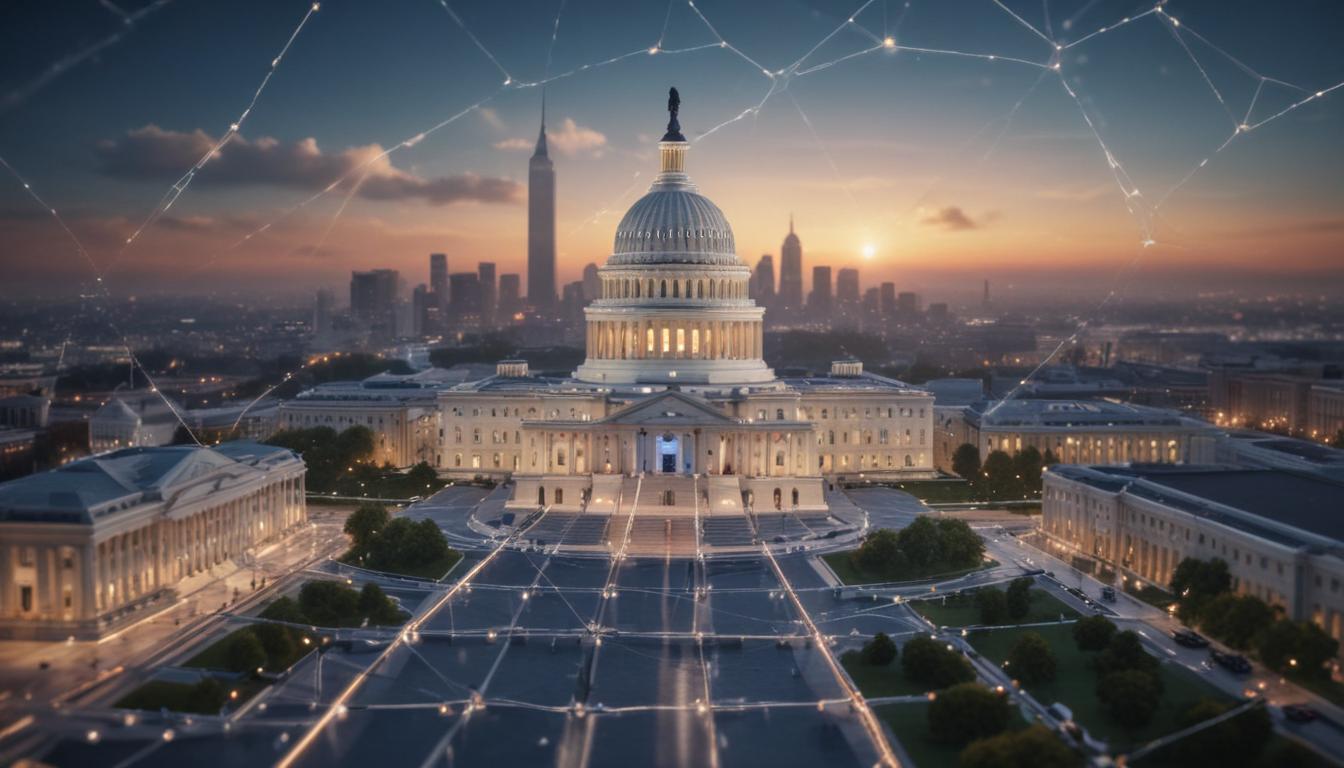

U.S. Cryptocurrency Landscape Shifts: What’s New in 2025 and Its Impact on Industry
Introduction
The United States is at the cusp of a fundamental shift in its approach to digital assets. After years of regulatory uncertainty and enforcement actions, recent executive and legislative moves are setting the stage for a new era of blockchain and cryptocurrency adoption. Below, we explore the latest updates, what’s changed for stablecoins, and how banks and businesses are adapting to the new crypto environment.
Executive Leadership and Regulatory Winds of Change

Under the current administration, digital assets have been declared a national priority. An executive order signed in early 2025 supports responsible growth across all sectors of the economy, with a particular focus on blockchain technology. This marks a departure from the enforcement-heavy approach of prior administrations, aiming instead to foster innovation while balancing consumer protection.
Still, challenges remain. Legislators are tasked with the tough job of crafting comprehensive digital asset laws. This process demands bipartisan support, especially with the Senate needing a 60-vote supermajority for most major bills. Despite these hurdles, the emergence of the “Financial Innovation and Technology Act” as a legislative template highlights growing alignment among stakeholders. The winds are finally shifting toward regulatory clarity.
Agencies Taking Action

The Office of the Comptroller of the Currency (OCC) has delivered a game-changing announcement. It now allows national banks and federal savings associations to engage in various crypto activities. These include custody services, stablecoin management, and even running blockchain nodes. This bold decision not only paves the way for banks to integrate seamlessly with crypto but also drives the mainstream adoption of blockchain technology.
However, not all government agencies are on the same page. The SEC insists on stringent enforcement of securities laws, targeting major crypto platforms like Coinbase and Binance. Simultaneously, the Commodity Futures Trading Commission (CFTC) remains active in overseeing crypto derivatives markets. The overlapping jurisdictions of these agencies create challenges but also open doors for debates clarifying key definitions, such as whether digital assets qualify as securities or commodities.
Legislation on the Horizon

Congress has been abuzz with debates over the future of digital asset regulation. At the heart of these discussions is a deceptively simple question: When is a token considered a security? Unfortunately, recent legal decisions have yielded conflicting interpretations. For example, rulings on assets like XRP and Terraform’s UST stablecoin differ substantially, leaving much-needed clarity in limbo.
Another significant topic is the treatment of decentralized finance (DeFi). A recent Senate resolution aims to repeal a rule that designates DeFi entities as brokers for tax purposes. This change could significantly reshape the DeFi ecosystem while emphasizing consumer protections and overseeing market structures. While uncertainty persists, one thing is clear—2025 is shaping up to be a legislative pivot point for cryptocurrencies.
State-Level Innovation and Challenges
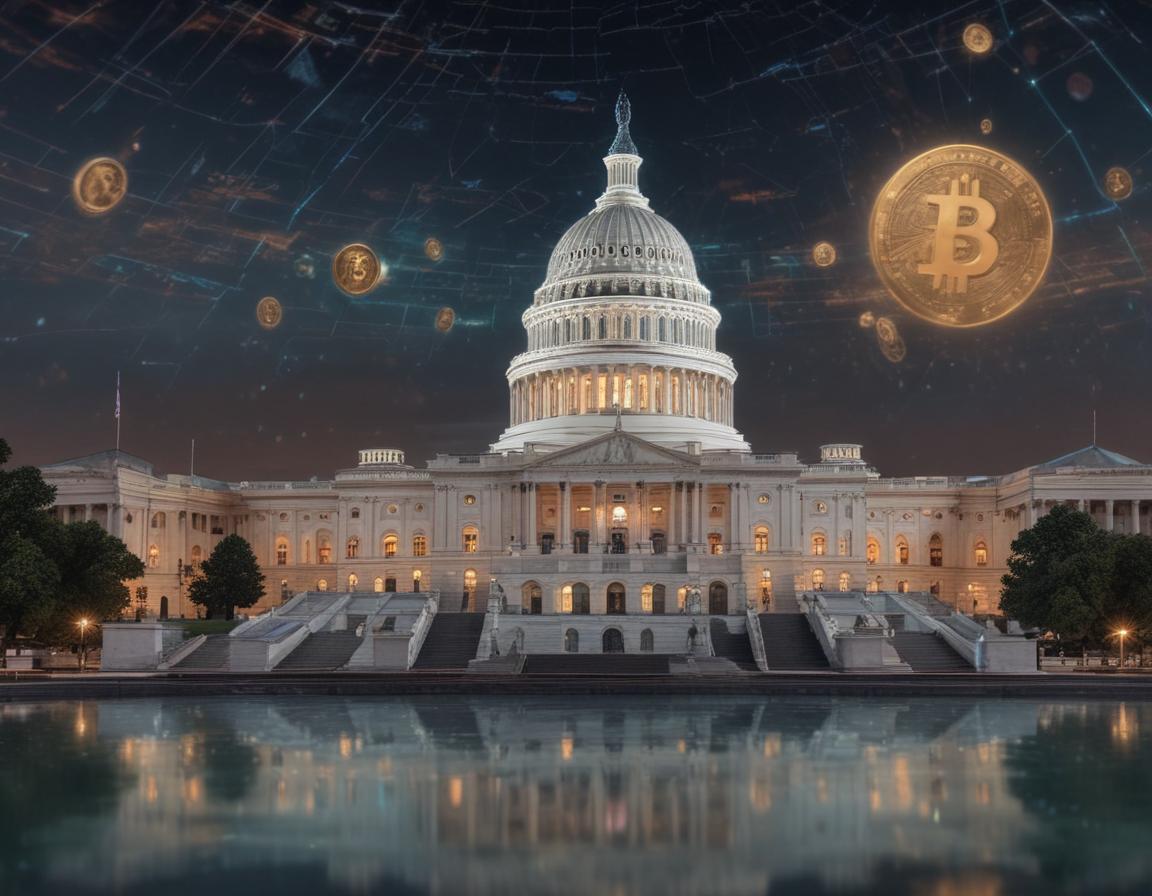
Not content to wait, various U.S. states are already driving their own crypto policies. States like California are proposing measures to guarantee consumer protections for crypto transactions. Meanwhile, Wyoming continues to build on its reputation as a blockchain-friendly hub by introducing laws that foster innovation in this sector.
While these state-level efforts positively impact innovation, they also create challenges for businesses operating across multiple jurisdictions. Companies now face the dual burden of complying with both federal and diverse state-specific regulations. This patchwork of laws represents a microcosm of the complexity faced within the broader U.S. cryptocurrency landscape.
The Bottom Line for Industry and Consumers
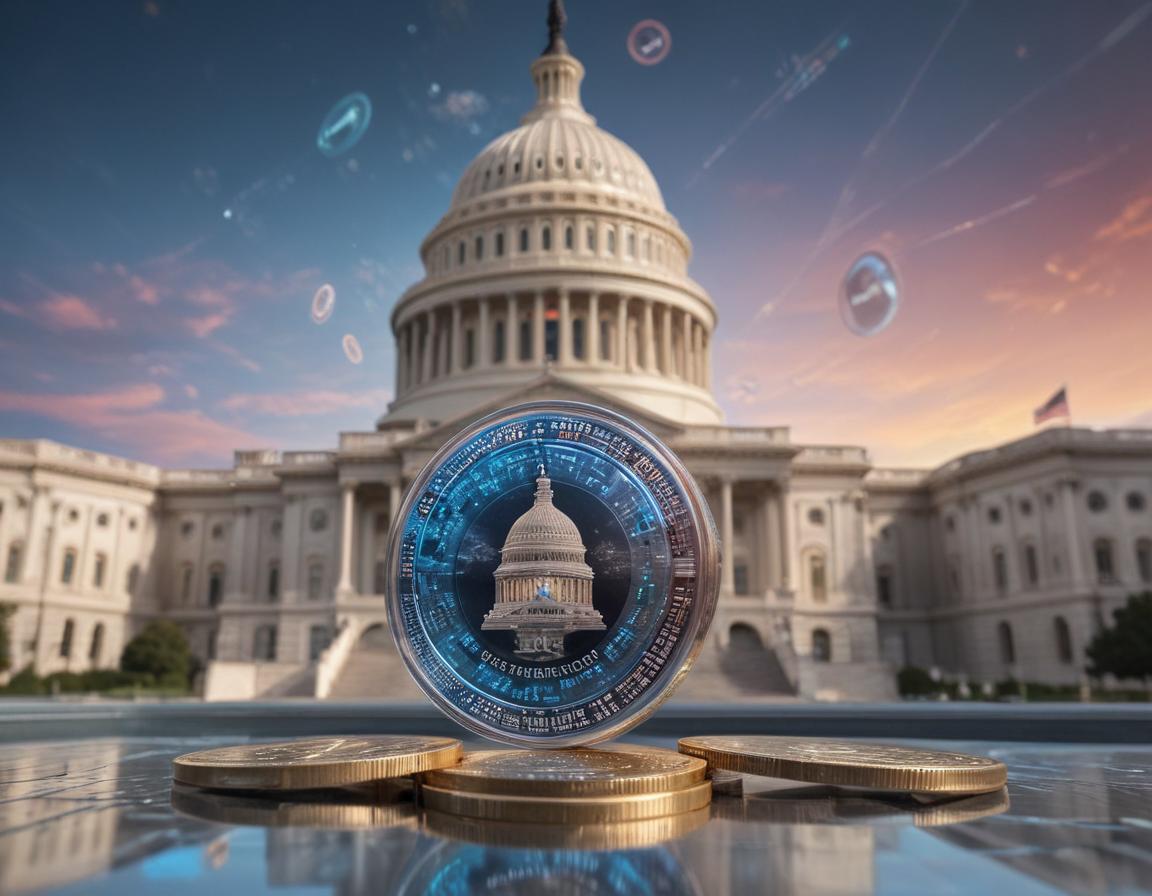
Banks are poised to be key players in the new digital asset era, thanks to recent regulatory updates from the OCC. By providing trusted custody and payment solutions, they can bridge the divide between traditional finance and the crypto world. This shift also offers consumers a measure of security, as banks are generally seen as more reliable than unregulated crypto firms.
Meanwhile, startups may find themselves in murkier waters. Regulatory uncertainty and compliance costs require innovative, agile strategies to survive and thrive. As always, consumers must remain savvy, staying cautious with new services and evaluating the risks associated with crypto investments. The future holds promise, with clearer regulatory frameworks likely to bolster innovation and trust across the ecosystem.
“`
**Key Features of the Blog Post**:
1. **Formatting and Structure**: Logical sections with consistent HTML5 use, including `