


The U.S. Cryptocurrency Regulatory Landscape in 2025: Toward Clarity and Growth
Introduction: A Turning Point for U.S. Crypto Regulation
As 2025 unfolds, the United States stands at a crossroads in cryptocurrency regulation, moving toward policies that could significantly bolster the digital asset ecosystem. Recent developments signal a shift from the uncertainty and fragmented rules of the past toward clearer, more definitive regulation and government engagement—creating fertile ground for innovation and adoption.
Executive Support and Legislative Momentum
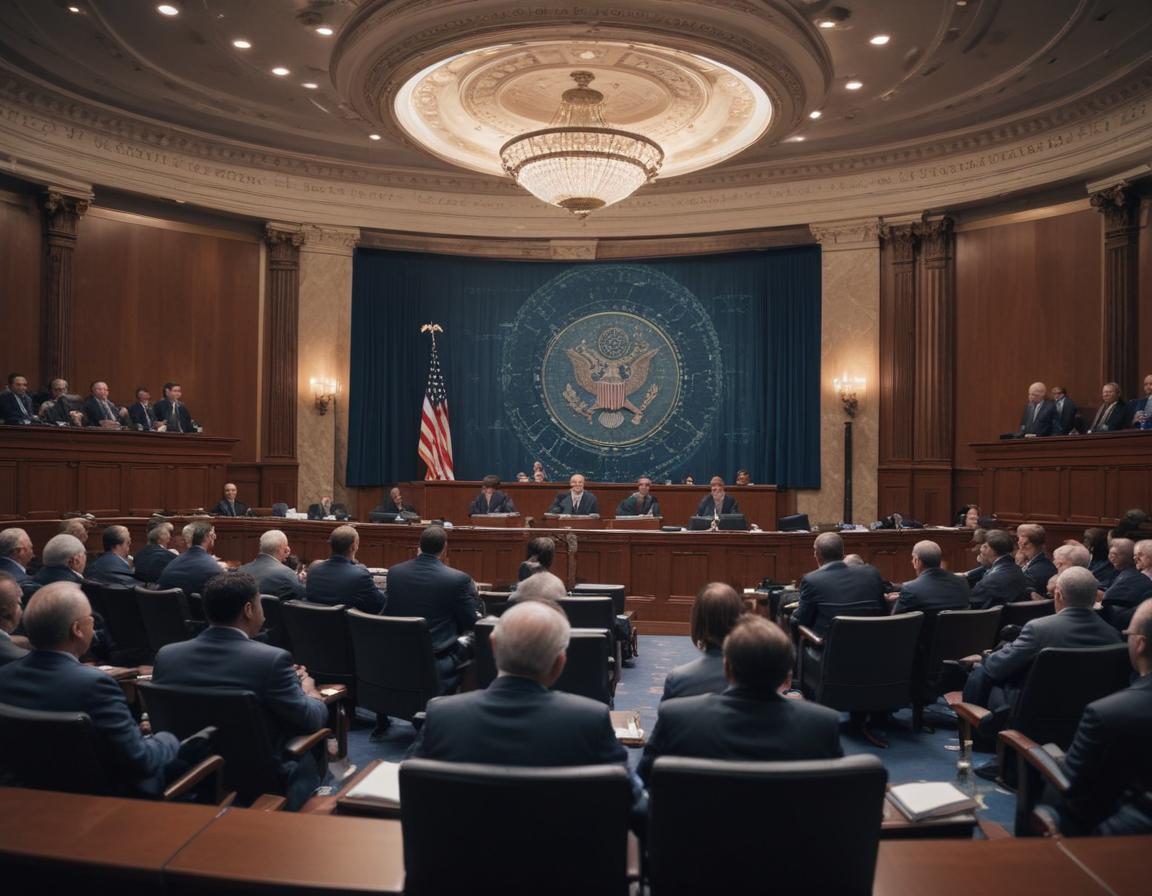
One of the critical milestones in this shift was an executive order from the Trump administration, which declared crypto a national priority and endorsed the “responsible growth and use of blockchain technology and related innovations” across all economic sectors. This marked a significant change in administrative outlook, fostering momentum in Congress for bipartisan efforts to draft crypto-specific regulations.
The legislative push currently focuses on two key areas:
- Defining regulatory boundaries for stablecoins.
- Establishing clearer rules for the market framework of digital assets.
However, navigating these waters is no small feat. One major hurdle lies in distinguishing which tokens fall under the oversight of the Securities and Exchange Commission (SEC) as securities and which are classified as commodities regulated by the Commodity Futures Trading Commission (CFTC). Bitcoin, the undisputed leader in the cryptocurrency sphere, is categorized as a commodity—regulated largely by the CFTC in derivatives markets. This exemplifies the intricate division of oversight in the U.S. cryptocurrency space.
Regulatory Agencies and Their Crucial Roles
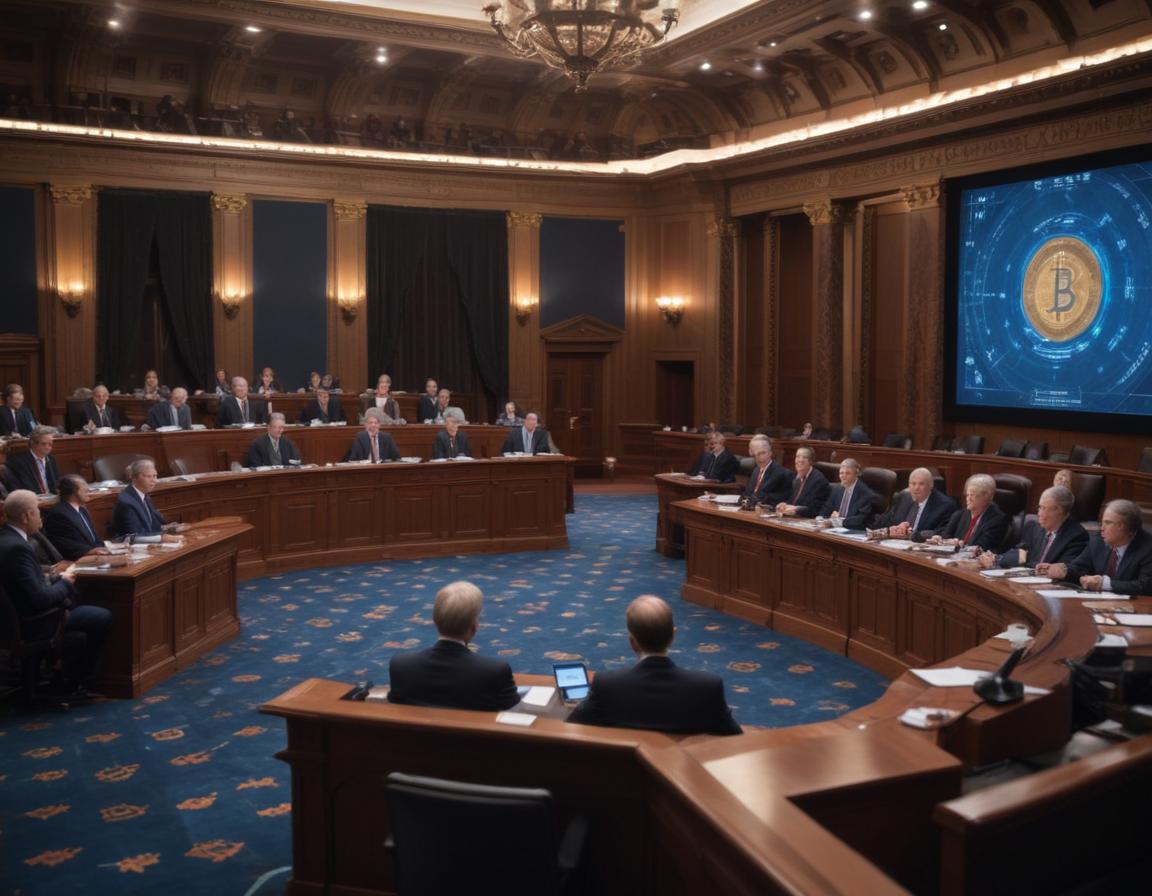
The evolving regulatory landscape for cryptocurrency in the U.S. is shaped by three key federal entities:
- The SEC: Responsible for protecting investors, the SEC oversees securities markets and has taken legal action against crypto exchanges that allegedly violated securities regulations. However, differing court rulings regarding assets like XRP and UST have created uncertainty about what qualifies as a security.
- The CFTC: With jurisdiction over cryptocurrencies designated as commodities, the CFTC focuses mainly on derivative markets. This includes oversight of crypto futures and swaps, providing an added layer of regulation in the digital asset space.
- The Office of the Comptroller of the Currency (OCC): Recently, the OCC confirmed that national banks and federal savings institutions can engage in activities related to cryptocurrencies, including offering custody services and handling stablecoin transactions. This move came after rolling back prior cautious guidelines, providing reassurance of the financial sector’s capacity to handle crypto-related services safely.
This multi-agency approach highlights the growing recognition of both the risks and opportunities associated with digital assets. By actively collaborating, these agencies aim to strike the right balance between encouraging innovation and protecting investors.
Emerging Legislation and Industry Impact
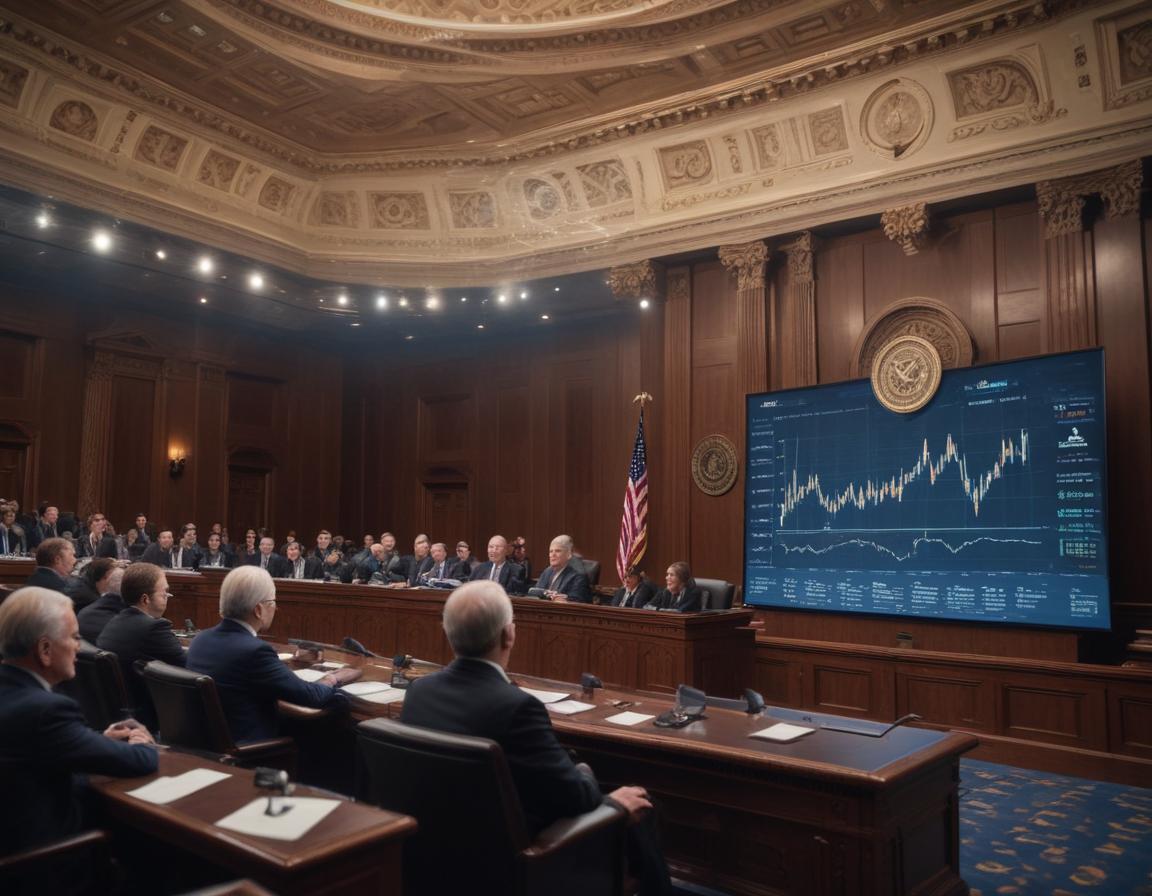
After months of bipartisan negotiations, legislative drafts such as the Financial Innovation and Technology Act signify a substantial step toward tailoring laws to meet the unique requirements of blockchain and crypto. However, gaining the 60 votes required for Senate approval remains an ongoing challenge.
Key priorities in emerging legislation include:
- Shaping regulatory frameworks that encourage blockchain innovation and industry growth.
- Developing guidelines that ensure consumer protection without stifling progress.
An area of particular interest is the current tax treatment of decentralized finance (DeFi) protocols. Lawmakers are considering measures to repeal rules that classify DeFi entities as brokers, which could significantly ease compliance burdens. This change has the potential to attract even greater participation in DeFi platforms, underlining the blockchain industry’s critical role in future economic infrastructure.
These developments demonstrate a growing acknowledgment within Congress of blockchain technologies as a vital part of the nation’s financial future. Combined with regulatory momentum, they set the stage for institutional and mainstream adoption of cryptocurrencies and decentralized platforms.
“`