


The Rise of Crypto in 2025
As we step into 2025, one thing is abundantly clear—cryptocurrency has graduated from being a niche financial asset to becoming a vital part of the U.S. economy. This paradigm shift is no accident but the result of bold actions by the Trump administration. Once viewed skeptically, digital assets are now defining the way forward for America. Let’s explore how groundbreaking crypto-friendly policies, regulatory evolution, and legislative transformation are shaping this digital revolution.
Executive Orders Reshape the Crypto Landscape
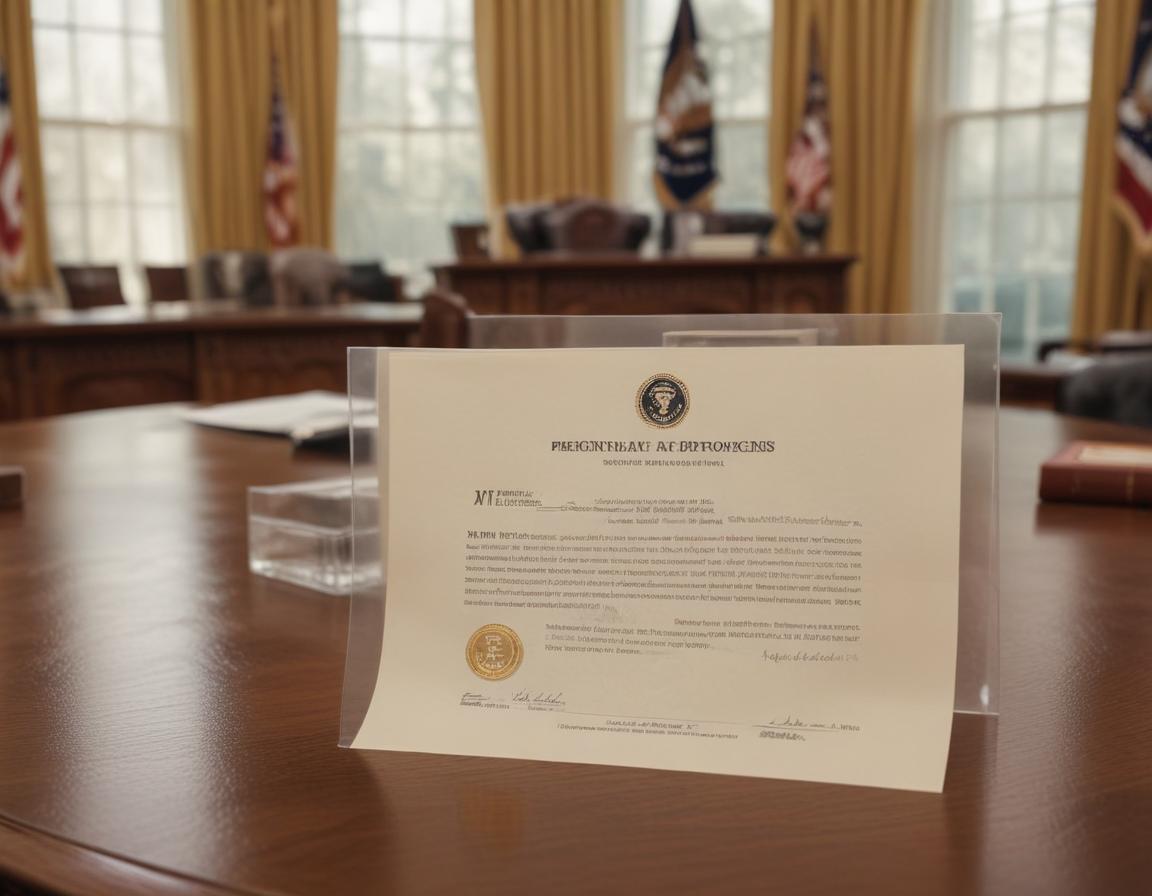
In January 2025, President Trump signed a monumental executive order designating cryptocurrency as a vital national priority. This bold decision highlighted blockchain technology’s wide-ranging implications—from financial services to supply chains and national defense.
Following this, on March 6, 2025, two programs were introduced: the Strategic Bitcoin Reserve and the United States Digital Asset Stockpile. These initiatives aim to secure the U.S.’s position as a global leader in blockchain innovation. By recognizing Bitcoin as ‘digital gold,’ with its capped 21-million supply, the administration is seizing this opportunity to harness the uncharted potential of digital currencies.
These crypto-forward policies mark a significant shift from previous administrations, which were often hesitant or outright prohibitive regarding blockchain and digital assets. The U.S. is now boldly embracing this evolving industry, positioning itself as a leader one executive decision at a time.
Regulatory Agencies Shift Direction

This year has seen a major transformation in how regulatory agencies approach crypto. In previous years, the Securities and Exchange Commission (SEC) was known for its strict enforcement, leading to high-profile lawsuits against companies like Binance and Kraken. However, 2025 has flipped the script.
- Earlier this year, the SEC closed investigations into companies like Opensea and Robinhood without penalties.
- The agency clarified that memecoins like Dogecoin would no longer classify as securities.
- The Federal Deposit Insurance Corporation (FDIC) released guidelines to make banking crypto-assets much simpler for institutions.
These actions reflect a significant pivot, offering businesses and investors breathing room to explore crypto without fear of excessive scrutiny. Regulatory flexibility is now the order of the day, signaling a new era of collaboration rather than confrontation.
Legislative Developments on the Horizon
In Congress, momentum is building for long-awaited crypto legislation. While holding just 52 Senate seats, Republicans have proven adept at fostering bipartisan discussions on crypto-related laws. These discussions are largely centered on the Financial Innovation and Technology Act, a framework for regulating the digital economy.
Key legislative priorities include:
- Providing clearer regulations for stablecoins.
- Defining the roles of regulatory bodies like the SEC and the CFTC to eliminate market confusion.
- Streamlining tax policies for decentralized finance (DeFi) ecosystems.
A notable milestone occurred on March 4, 2025, when a Senate bill passed exempting DeFi operators from broker-level taxation. This move underscores lawmakers’ growing sense of urgency in addressing the fast-paced growth of blockchain technologies. By legislating proactively, the U.S. aims to resolve legal uncertainties and fuel the industry’s progress.
The Regulatory Divide Remains

Despite these advancements, certain challenges persist in the regulatory sphere, leading to a divide. Diverging judicial decisions have sowed some seeds of uncertainty. For example, rulings concerning XRP and TerraLab have resulted in highly varied interpretations about which digital assets qualify as securities.
In addition to courtroom debates, the private sector faces ongoing legal challenges. Lawsuits against crypto platforms continue to serve as a reminder of the uncertainties accompanying this innovation. However, these legal roadblocks are part of the growing pains of a rapidly evolving industry and are necessary for building a more robust digital economy.
Career Opportunities in the Blockchain Space

Beyond policy changes, the growing prominence of blockchain has unlocked a wealth of career opportunities. Companies in the crypto space are actively hiring skilled professionals to build innovative solutions, create secure platforms, and adapt to evolving regulations. For individuals interested in working with cutting-edge technology, now is the best time to pivot into the blockchain industry.
- Educational programs focusing on blockchain have seen a surge in enrollment.
- High-demand roles include blockchain developers, cybersecurity experts, and regulatory consultants.
- This growing sector promises lucrative opportunities for skilled aspirants.
Whether through government initiatives or private sector expansion, the career possibilities within blockchain are diverse and rewarding. The ever-increasing focus on digital assets positions blockchain as a field brimming with potential for enthusiasts and professionals alike.
Conclusion: The Dawn of a New Digital Era
The Trump administration’s forward-thinking initiatives have ushered in a new era for cryptocurrency in the United States. From executive orders to regulatory pivots and promising legislative developments, 2025 marks the beginning of an exciting journey into the digital age. These actions are not only reshaping the country’s economic landscape but also establishing the U.S. as a global hub for blockchain and digital asset innovation.
For developers, investors, and everyday citizens, this transformative period in crypto history offers immense possibilities. Let’s witness and perhaps even participate in creating a future where digital assets drive global financial and technological progress.
Ready to explore opportunities in the crypto space? Stay informed, stay proactive, and embrace the potential of blockchain innovation!